
How Therapy Can Help You Break Free from Imposter Syndrome

People think imposter syndrome sounds like: "I'm a fraud." It usually doesn't.
It sounds more like:
"I should know this already."
"I probably just got lucky."
"They're going to regret hiring me."
"I don't deserve that compliment."
"I need one more certification."
"I should've worked harder."
"I can't let anyone know I don't know."
"I don't want people expecting too much from me."
"I have to keep proving myself."
I don't think people with imposter syndrome actually need more confidence.
Confidence isn't the first problem, trust is. They don't trust their own evidence, they trust their inner critic more than reality. That's what therapy changes.

Recognize Your Imposter Pattern
Together, we'll identify when imposter syndrome shows up, what triggers it, and the beliefs that keep it alive. Once you can spot the pattern, it becomes much easier to interrupt it.
Challenge the Stories Your Brain Automatically Tells You
Many people with imposter syndrome unknowingly fall into thinking traps such as discounting successes, catastrophizing mistakes, perfectionism, or believing they only succeeded because they "got lucky." Therapy helps you question those automatic thoughts instead of treating them as facts.
Build Self-Compassion Without Lowering Your Standards
Being kind to yourself doesn't mean lowering the bar. It means learning to motivate yourself without relying on constant self-criticism. Research consistently shows that self-compassion is associated with greater resilience, emotional well-being, healthier motivation, and lower levels of anxiety.
Reduce the Fear of Failure
When every mistake feels like proof you never belonged, it's hard to take risks, enjoy success, or trust yourself. Therapy can help you respond to setbacks with curiosity instead of shame, allowing mistakes to become opportunities for growth rather than evidence against your worth.
One Thing I've Noticed About High Achievers
One of the most interesting things I've noticed after years of therapy is that people with imposter syndrome almost never celebrate the way they criticize.
Think about it.
When you make a mistake your brain wants a full investigation:
"What happened?"
"How could I have prevented that?"
"What does this say about me?"
But when something goes well? Your brain gives it about six seconds.
"That wasn't a big deal."
"I just got lucky."
"They probably could've picked anyone."
Then it's immediately on to the next thing.
That's selective attention.
Your brain is collecting evidence against you, while throwing away evidence for you.
Therapy helps you build a more accurate evidence file.
Your Brain Keeps Moving the Finish Line
One thing I see over and over again...
People with imposter syndrome believe confidence lives one accomplishment away.
"If I get promoted..."
"If I finish my degree..."
"If I lose the weight..."
"If I make partner..."
"If I publish the paper..."
"If I start the business..."
But every time they arrive, the finish line quietly moves.
The problem was never the accomplishment, it’s believing achievement could solve insecurity.
Therapy helps you stop chasing confidence and start building it.
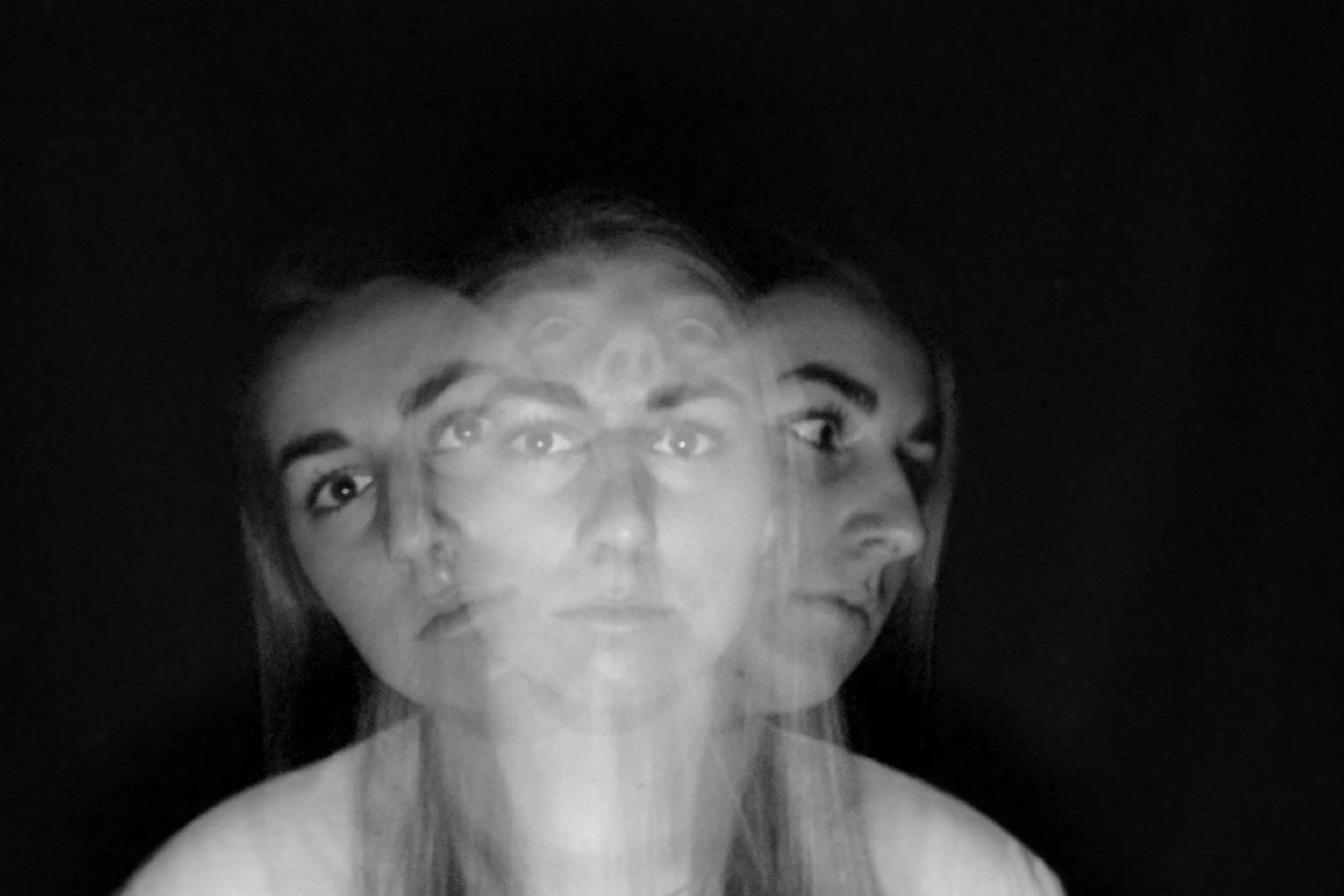
Feel Safe Enough to Be Human
One of my favorite moments in therapy isn't when someone finally believes they're amazing, it's when they realize they don't have to be amazing every second.
They can forget something.
Ask for help.
Need reassurance.
Miss a deadline.
Feel uncertain.
And none of it means they fooled everyone.
You Don't Have to Keep Feeling Like a Fraud
Imposter syndrome quietly influences careers, relationships, confidence, and mental health. Left unchecked, it often fuels anxiety, perfectionism, burnout, chronic stress, people-pleasing, and the exhausting feeling that you're never quite enough.
The encouraging news is this; these patterns were learned. That means they can also be unlearned!
Whether you're navigating ADHD, high-functioning anxiety, a demanding career, graduate school, leadership, or simply feeling like everyone else has life figured out except you, you don't have to keep carrying the weight of relentless self-doubt by yourself.
You deserve to enjoy your accomplishments instead of explaining them away.
You deserve to trust yourself instead of constantly wondering whether you've fooled everyone around you.
And you deserve to experience success without immediately waiting for the other shoe to drop.
You don't have to keep waiting for someone to expose you, you get to start believing the evidence that's been there all along.

You Might Be a Good Fit for Therapy With Me If...
Many of the people I work with don't look like they're struggling, they're the ones everyone else relies on.
They have successful careers, advanced degrees, thriving businesses, or full calendars. They're capable, thoughtful, and incredibly hard on themselves.
You might feel at home in my practice if you:
Spend way too much time overthinking conversations, decisions, or mistakes.
Read psychology books, save mental health posts, or ask ChatGPT thoughtful questions about yourself.
Want more than surface-level coping skills; you want to understand why you think, feel, and react the way you do.
Appreciate practical tools and meaningful insight.
Value accountability, humor, and a therapist who will gently challenge you when you're getting in your own way.
Appear "high-functioning" on the outside while privately feeling anxious, overwhelmed, burned out, or like you're never quite enough.
Are navigating ADHD, perfectionism, people-pleasing, grief, relationship challenges, or major life transitions.
Want a therapist who's both clinically sharp and deeply human.
If you're looking for someone to simply nod along, I probably won't be the best fit.
But if you're looking for a space where you can understand yourself more deeply, learn evidence-based strategies that actually fit your life, and leave each session feeling like you have something practical to work with, I'd love to help.
Healing isn't about becoming a different person.
It's about finally believing the capable, resilient person you've been all along.
Frequently Asked Questions About IMPOSTER SYNDROME
What is imposter syndrome?
Imposter syndrome is the persistent belief that your accomplishments aren't truly earned and that, sooner or later, someone will discover you're not as capable as people think. Even highly successful, intelligent, and accomplished people experience these thoughts.
Is imposter syndrome a mental illness?
No. Imposter syndrome is not a mental health diagnosis. However, it commonly occurs alongside anxiety, ADHD, perfectionism, depression, burnout, and chronic stress.
What causes imposter syndrome?
There isn't one single cause. It often develops from perfectionism, high expectations, family experiences, repeated criticism, comparison, major life transitions, discrimination, or environments where you feel pressure to constantly prove yourself.
Is imposter syndrome common in adults with ADHD?
Yes. Many adults with ADHD experience imposter syndrome because years of inconsistent performance, criticism, masking, or feeling misunderstood can make it difficult to trust their own abilities, even after they've become highly successful.
Can therapy help with imposter syndrome?
Absolutely. Therapy can help you recognize the thoughts and behaviors that keep imposter syndrome going, challenge unhelpful thinking patterns, strengthen self-compassion, and build confidence based on evidence rather than fear.
How do I know if it's imposter syndrome or low self-esteem?
While both involve self-doubt, low self-esteem affects how you see yourself overall. Imposter syndrome tends to show up specifically around competence, achievement, and success. A therapist can help you understand what's driving your experience.
Ready to Experience the Difference?
Reading about imposter syndrome can help you recognize the pattern.
Changing the pattern usually takes practice.
I offer online therapy for adults and couples across Texas, Florida, and PSYPACT-participating states, with a focus on anxiety, ADHD, grief and loss, perfectionism, and relationship challenges.
Schedule a free consultation to see if we’re a good fit and take the next step toward feeling more grounded, connected, and like yourself again.
You bring your humanity.
I’ll bring the science; and yes, a little sass.
Together, we'll work to quiet the inner critic, build confidence that's grounded in reality, and help you spend less energy proving yourself and more energy enjoying the life you've worked so hard to build.
If you're ready to stop feeling like a fraud and start trusting yourself, I'd be honored to help.
About the Author
Nichole Vincent, Psy.D. is a licensed clinical psychologist and the founder of Life in Progress Psychological Services. With over 13 years of clinical experience, she provides telehealth therapy for adults across Texas, Florida, and PSYPACT-participating states. Dr. Vincent specializes in anxiety, ADHD, grief and loss, perfectionism, and relationship challenges, and is known for her ability to reframe negativity without toxic positivity. Her approach blends clinical expertise, real-life tools, and the belief that most things are figure-out-able with the right support; both in therapy and in life.
References
This article is for educational purposes and is informed by current psychological research, clinical experience, and evidence-based therapeutic approaches. It is not a substitute for individualized mental health care.
American Psychological Association. (2023). Speaking of Psychology: The many faces of imposter syndrome.
Bravata, D. M., Watts, S. A., Keefer, A. L., Madhusudhan, D. K., Taylor, K. T., Clark, D. M., Nelson, R. S., Cokley, K. O., & Hagg, H. K. (2020). Impostor phenomenon and its association with mental health: A systematic review.Journal of General Internal Medicine, 35(4), 1252–1275. https://doi.org/10.1007/s11606-019-05364-1
Clance, P. R., & Imes, S. A. (1978). The imposter phenomenon in high achieving women: Dynamics and therapeutic intervention.Psychotherapy: Theory, Research & Practice, 15(3), 241–247. https://doi.org/10.1037/h0086006
Neff, K. D. (2003). Self-compassion: An alternative conceptualization of a healthy attitude toward oneself. Self and Identity, 2(2), 85–101. https://doi.org/10.1080/15298860309032
Sakulku, J., & Alexander, J. (2011). The impostor phenomenon. International Journal of Behavioral Science, 6(1), 73–92.
Cleveland Clinic. (2024). Imposter Syndrome: Signs, Symptoms, Causes, and Treatment.
