
AI Can’t Heal Your Heart; Why Humans Do It Better

You’ve probably noticed it; AI “therapists” popping up in ads, apps promising instant calm, and chatbots claiming to replace human therapy sessions. As a tech-loving licensed psychologist, I get the appeal; and yes, I use AI myself daily.
People sometimes ask if I'm worried AI will replace therapists.
Honestly?
No.
As someone who genuinely enjoys AI...
I never feel threatened by it.
Because every day I sit with people who remind me that healing has never been about information.
It's always been about relationship.
I'm much more concerned about people settling for less connection than they deserve because they forgot what genuine human presence feels like.
But let’s be real.
Healing isn’t just about clever responses or perfectly worded reflections. It’s about being felt, seen, and witnessed; and no algorithm can do that the way a human nervous system can.
Here's a hot take.
I don't think AI is making us emotionally disconnected.
I think it's exposing how desperately people have been craving someone who will simply listen without interrupting.
That should tell us something.
If you’re a high-functioning adult juggling anxiety, ADHD, relationships, grief, perfectionism, and about seventeen open browser tabs, this one’s for you.

I Use AI; But Not How You Think
I love tech. I believe tools can support mental health when used thoughtfully and ethically. Behind the scenes, I use AI to:
Find new recipes to try; nourishment matters for brain and mood health.
Plan travel; rest and novelty are essential for nervous-system regulation.
Compare products efficiently; saving time and energy is self-care.
Design personalized reflection prompts aligned with your trauma history, attachment style, and metaphors that resonate with you.
Create psychoeducational materials so you understand the why behind therapy strategies.
Track emerging research so your care stays evidence-based and relevant to real life.
I sometimes even encourage clients to use AI for journaling prompts or mood tracking between sessions. It can be a helpful supplement; like an emotional Fitbit.
But here’s the key distinction:
AI supports the work; it does not lead it. I use it to enhance insight, not replace intuition, presence, or clinical judgment.

The Heartbeat of Therapy; Connection
Decades of psychotherapy research consistently show that the therapeutic alliance; the trust, safety, and collaboration between client and therapist; predicts outcomes more than any specific technique or modality.
That connection cannot be coded.
It lives in the space between us; the pauses, the eye contact, the silence that tells me there’s more underneath the words.
I notice:
When your tone softens mid-sentence.
When tears arrive before your voice admits you’re hurting.
When your jaw clenches just before you say, “I’m fine.”
When your body pulls back even as your words move forward.
That’s where the real work happens; in the felt experience of being understood by another human nervous system.
What AI Has Actually Taught Me About Being Human
Can you imagine?
Something like...
Ironically...
The more I use AI...
The more convinced I become that the most healing moments in therapy aren't brilliant insights.
They're the quiet ones.
The relieved sigh.
The awkward silence.
The laugh through tears.
The look on someone's face when they realize they're not broken.
AI has made me appreciate those moments even more.
The Science; Why Human Presence Heals
When you share something painful and I meet it with attunement, your brain and nervous system actually recalibrate. Neurobiology calls this co-regulation; two nervous systems syncing until safety feels possible again.
This process relies on mirror neurons, lived experience, emotional resonance, and embodied awareness.
AI can generate language.
AI cannot co-regulate.
One of my favorite moments in therapy usually isn't when someone has a breakthrough.
It's the moment right before.
Sometimes you're halfway through a sentence...
Then you stop.
Your eyes get watery.
You look away.
And say,
"Wait..."
"I think I just realized something."
No prompt created that moment.
No algorithm predicted it.
It happened because another human was paying attention in real time.
That's therapy!
AI does not have a nervous system. It does not feel shifts in energy, breath, posture, or affect. It can mimic empathy linguistically, but it cannot experience empathy with you.
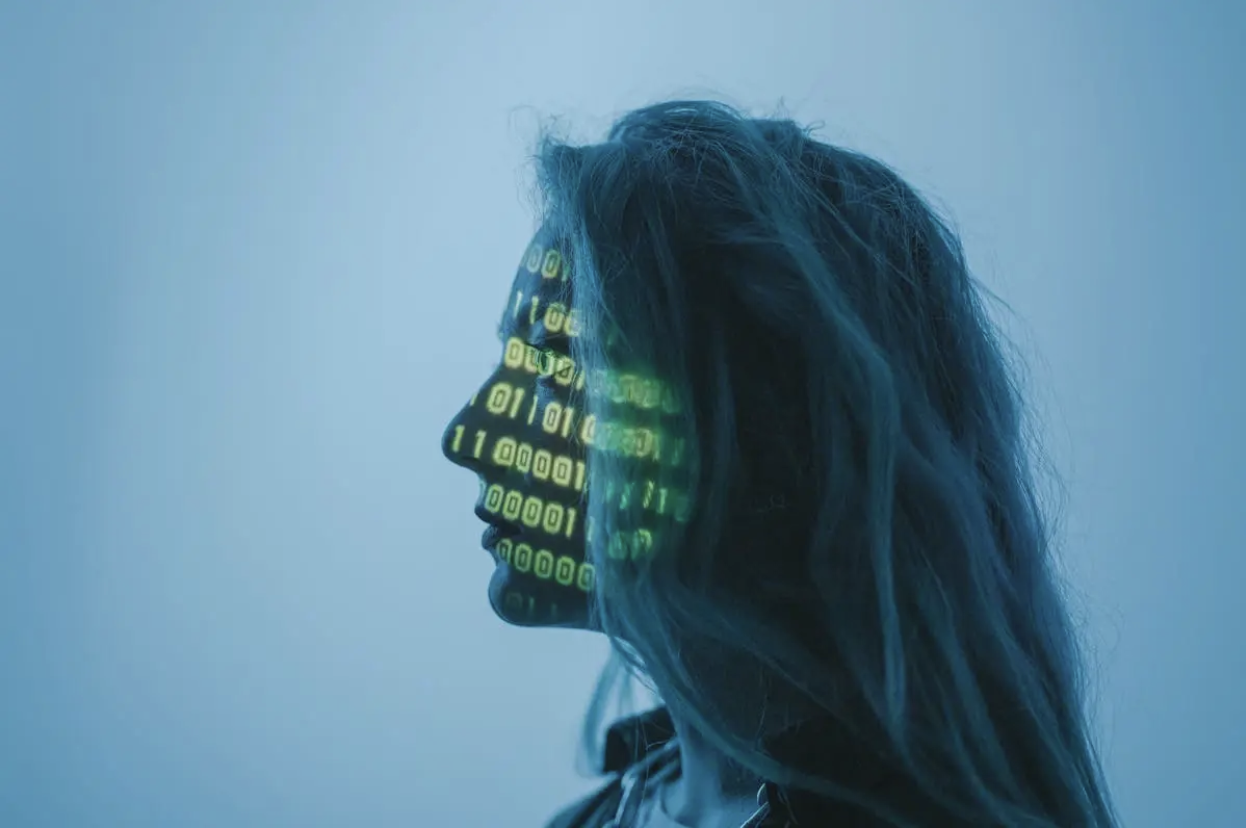
AI Is Impressive; And Also Biased, Limited, and Poorly Boundaried
AI tools have strengths; they’re accessible, fast, and always available. But there are serious limitations when it comes to mental health care:
AI can hallucinate; generating false, incomplete, or misleading information.
AI is not trauma-informed; it cannot reliably assess emotional safety or risk.
AI lacks clinical judgment, licensure, and ethical accountability.
AI cannot guarantee confidentiality; many platforms store or use data for training.
AI does not repair ruptures or understand relational boundaries.
When you work with a licensed psychologist, you are protected by ethics, privacy laws, clinical training, and humanity. When you talk to an app, you are often feeding a data model.
What AI Cannot Do
AI cannot:
Gently challenge defenses while preserving dignity.
Hold you accountable when avoidance creeps in.
Notice micro-reactions, humor, or heartbreak in real time.
Provide embodied safety when you’re flooded or shut down.
Intervene when something signals trauma, risk, or crisis.
Celebrate your growth with genuine joy; yes, sometimes literal clapping included.
Sit with awkward pauses, setbacks, or emotional breakthroughs.
Most importantly; AI does not care about you.
You deserve more than an algorithm.

Who Thrives in Therapy With Me
My ideal clients tend to be people who:
Read psychology books or listen to mental health podcasts.
Want more than surface-level coping skills.
Love tools, structure, and strategy and emotional depth.
Appreciate accountability, humor, and direct feedback.
Appear “high-functioning” but feel internally overwhelmed or disconnected.
Want a therapist who is clinically sharp and deeply human.
If that sounds like you, you don’t need another app.
You need a space that integrates neuroscience, attachment, relational insight, and real-world strategy; something AI simply cannot replicate.
Let’s Be Honest; AI Delivers Information, Therapy Delivers Change
If you’ve ever found comfort chatting with an AI app, there’s no shame in that. You were reaching for connection; and that instinct is deeply human.
What we do in therapy builds on that same drive, but takes it further; into embodiment, repair, and lasting change.
AI works from templates.
I work with you.
I assess your symptoms and your history, culture, relationships, defenses, strengths, and nervous-system patterns. I adapt in real time when something isn’t landing. I notice what’s avoided, what’s emerging, and what’s ready to shift.
Why Working With a Human Therapist Is Worth It
In therapy with me, you get:
A confidential, ethical, and emotionally safe space.
Clinical training grounded in neuroscience, attachment, and trauma research.
Real-time feedback and gentle accountability.
A balance of structured tools and emotional depth.
Cultural sensitivity and nuanced understanding of your whole story.
Plenty of humanity, humor, and honesty; because meaningful change doesn’t have to feel cold or clinical.
Frequently Asked Questions About AI and Therapy
Can AI replace a licensed therapist?
No. Research consistently shows that the therapeutic alliance predicts outcomes more than techniques alone; something AI cannot form.
Is AI therapy safe for trauma or crises?
AI tools cannot reliably assess risk, suicidality, or trauma responses. Licensed clinicians are trained to intervene when safety is a concern.
Can AI support mental health at all?
Yes; as a supplement. AI can assist with journaling, psychoeducation, and reflection prompts, but it should not replace professional care.
Why does human presence matter so much in therapy?
Because co-regulation, attunement, and ethical accountability are biological and relational processes; not computational ones.
Ready to Experience the Difference?
If you’re ready for therapy that feels collaborative, curious, and deeply human; therapy that helps you build safety in your own skin while using smart tools appropriately, I’d love to connect.
I offer online therapy for adults and couples across Texas, Florida, and PSYPACT-participating states, with a focus on anxiety, ADHD, grief and loss, perfectionism, and relationship challenges.
Schedule a free consultation to see if we’re a good fit and take the next step toward feeling more grounded, connected, and like yourself again.
You bring your humanity.
I’ll bring the science; and yes, a little sass.
Together, we’ll do the work AI can’t touch.
About the Author
Nichole Vincent, Psy.D. is a licensed clinical psychologist and the founder of Life in Progress Psychological Services. With over 13 years of clinical experience, she provides telehealth therapy for adults across Texas, Florida, and PSYPACT-participating states. Dr. Vincent specializes in anxiety, ADHD, grief and loss, perfectionism, and relationship challenges, and is known for her ability to reframe negativity without toxic positivity. Her approach blends clinical expertise, real-life tools, and the belief that most things are figure-out-able with the right support; both in therapy and in life.
References
American Psychological Association. (2023). Therapeutic alliance and treatment outcome.
https://www.apa.org/pubs/journals/releases/pst-pst0000340.pdf
Flückiger, C., Del Re, A. C., Wampold, B. E., & Horvath, A. O. (2018). The alliance in adult psychotherapy.
https://doi.org/10.1037/pst0000172
Norcross, J. C., & Lambert, M. J. (2018). Psychotherapy relationships that work.
https://psycnet.apa.org/record/2018-48003-001
Porges, S. W. (2011). The polyvagal theory. W. W. Norton.
https://wwnorton.com/books/9780393707007
Torous, J., & Haim, A. (2023). Ethical considerations in digital mental health and AI-driven tools. World Psychiatry, 22(2), 168–176.
https://doi.org/10.1002/wps.21022
Vaidyam, A. N., et al. (2019). Chatbots and conversational agents in mental health. Canadian Journal of Psychiatry, 64(7), 456–464.
https://doi.org/10.1177/0706743719828977
Weitzman, E. R., et al. (2021). Public attitudes toward AI and privacy in mental health apps.
https://doi.org/10.2196/27654
